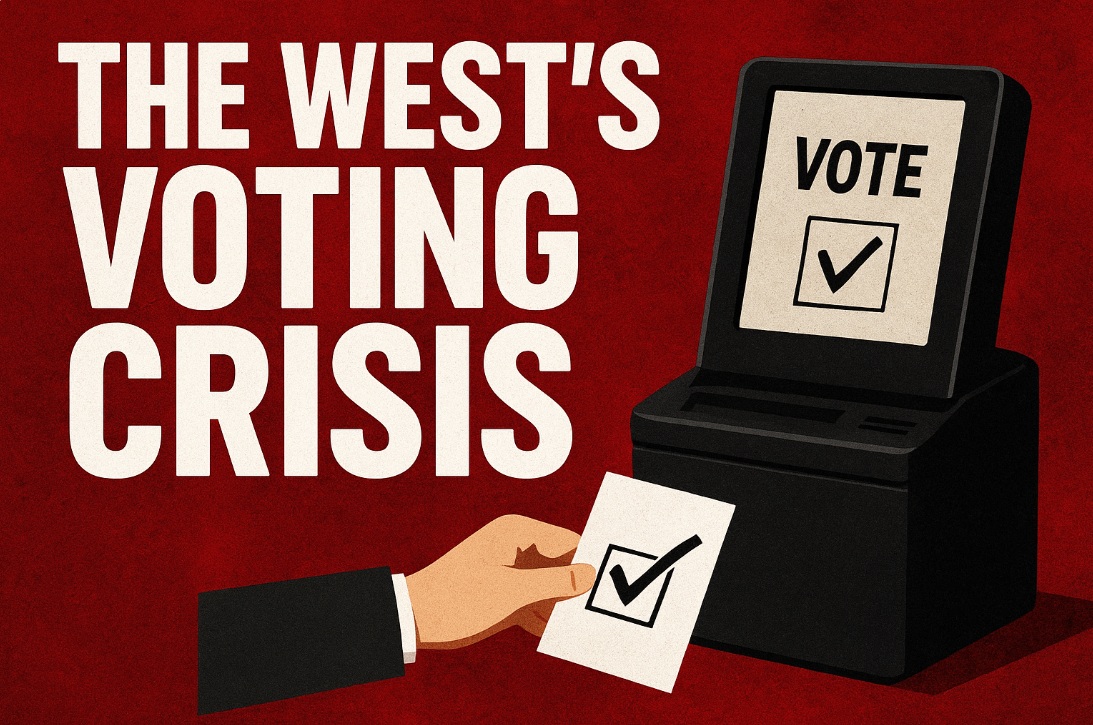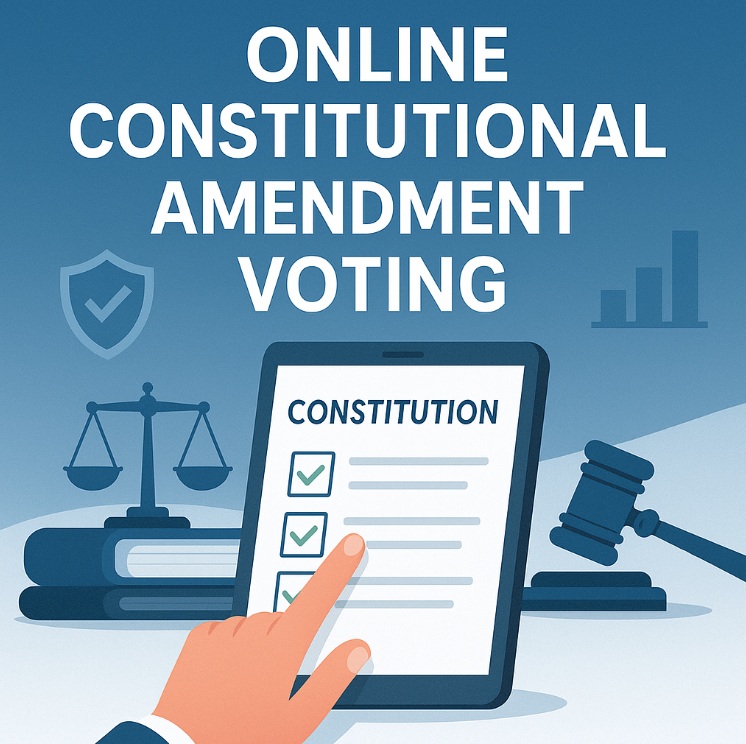
The U.S. voting system is decentralized. Every state and often every county sets its own process. That means:
- 50 states × thousands of counties = thousands of different voting systems
- Different machines, different rules, different ballot designs
- Different levels of cyber preparedness
- Very different levels of public trust
It’s enormously difficult to modernize all of that at once.
At the same time, major issues keep returning every election season:
1. Long Lines & Accessibility Problems
Some districts face hours-long queues while others finish voting in minutes. Elderly voters, people with disabilities, overseas military members, and people working multiple jobs all face real barriers.
Online voting could extend participation to millions who currently struggle.
2. Confidence Issues in Electronic Machines
Some Americans distrust machine voting. Others distrust mail-in ballots. Some feel oversight isn’t transparent enough. Trump’s statements since 2020 have amplified these concerns for a large part of the population.
But ironically, blockchain a technology designed for permanent, immutable records solves the exact vulnerabilities that people fear.
3. Lack of a Uniform National Standard
Technology upgrades happen unevenly. Some counties still use machines from the early 2000s. Others rely heavily on paper. No federal system ties everything together.
A digital voting platform built on blockchain could unify verification while keeping states independent.
Where Trump’s Concerns Intersect With Online Voting
It doesn’t matter whether someone agrees or disagrees with Trump politically his concerns fall into three consistent categories:
- Verification – Is the voter who they claim to be?
- Tampering – Can votes be altered after being cast?
- Transparency – Can the public verify the process independently?
These questions are not unique to one political side Democrats, Republicans, independents, and election experts have debated them for years.
What’s compelling is that blockchain technology directly addresses all three.
Not in theory.
Not in marketing.
But mathematically.
When votes become encrypted blocks on a distributed ledger:
- They cannot be edited or deleted
- Every vote is time-stamped and tamper-evident
- Voters can check that their vote was counted, without revealing who they voted for
- No single authority can alter the tally
- Audits take minutes, not days
This is exactly the level of transparency many frustrated American voters including Trump supporters have been asking for.
Would Americans Trust Online Voting? Surprisingly, Many Already Do
A 2023 MIT study found that 61% of Americans would support online voting if it had:
- end-to-end encryption
- auditable records
- independent verification
- multi-factor authentication
That’s exactly the backbone of blockchain-secured systems like OnlineVotingApp.com, which adds layers like:
- One Voter, One Device integrity (prevents repeat or device-hopping votes)
- 2FA with password + OTP
- Encrypted vote storage
- Full election lifecycle management (nominations → ballot → real-time dashboard → results)
These features match the top concerns raised during U.S. election debates, regardless of party.
A Scenario: What If a Single U.S. State Piloted Blockchain Voting in 2026?
Let’s imagine this as a real-world use case.
Suppose Colorado, known for tech-forward governance, launched an optional blockchain voting system for:
- Overseas military ballots
- Remote voters with accessibility challenges
- Test-case municipal ballots
A voter logs in using:
- State ID +
- A password +
- An OTP sent to their verified phone (2FA)
Once authenticated, the system binds their vote to one registered device. Vote submissions take under 30 seconds.
After casting, each voter receives a unique verification code a way to check that their ballot exists as an immutable entry on the blockchain, without exposing who they supported.
Election officials gain:
- Instant audit trails
- Zero possibility of ballot duplication
- Reduced counting time
- No opportunity for post-vote tampering
Now imagine this test succeeds.
Data shows:
- Higher turnout among overseas military
- Lower administrative cost
- Faster result certification
- Higher trust due to visible auditability
Suddenly neighboring states find this model appealing.
National conversations shift.
Congress begins exploratory hearings.
This is how change really happens not by flipping a switch, but through small, controlled, transparent pilot programs.
Where Trump’s Influence Actually Helps the Case for Blockchain Voting
Although Trump often speaks critically about “voting machines” or “mail ballots,” his arguments intentionally or not highlight the need for:
- verifiable records
- decentralized tallying
- robust voter authentication
- prevention of ballot duplication
- voter ability to check their own participation
These aren’t obstacles to online voting.
They are exactly the reasons blockchain voting exists.
In other words:
Trump’s concerns don’t shut the door on digital voting
they underline why a transparent, tamper-proof method is needed.
Blockchain is not about trusting technology blindly.
It’s about removing blind trust entirely and replacing it with math, transparency, and verifiability.
What Needs to Happen Before America Can Adopt Online Voting Nationally?
Even with strong technology, adoption requires:
1. Clear Federal Guidelines
States will remain independent, but a unified cybersecurity and auditing framework is essential.
2. Public Education
People fear what they don’t understand.
Clear demonstrations, open audits, and public sandboxes help.
3. Accessibility Guarantees
Digital inclusion must not leave out rural communities, senior voters, or voters without smartphones.
4. Pilot Programs in Low-Risk Elections
Local or primary elections are ideal for testing.
5. Collaboration with Trusted Platforms
Systems like OnlineVotingApp.com already used by universities, associations, and organizations bring practical experience, not experimental theory.
Conclusion: A Future Where U.S. Elections Feel Modern, Transparent, and Trustworthy
The United States won’t switch to online voting overnight.
But it is absolutely heading in that direction pushed by:
- long-standing logistical issues
- rising accessibility needs
- distrust in some traditional processes
- increasing digital expectations
- and yes, the ongoing political debate that figures like Donald Trump continue to shape
Blockchain-based online voting isn’t about one party winning or losing.
It’s about giving every voter Republican, Democrat, Independent the confidence that their vote was counted exactly as they cast it.
And when you strip away the noise, that’s all anyone really wants.