A New Election Problem We Don’t Acknowledge Enough
For decades, the biggest concern in elections was simple: are the votes safe? But the elections of the last ten years have quietly revealed something else traditional voting methods are no longer equipped for the way people live and work today.
When a voter has to stand in a three-hour queue, or travel 20 km to a polling station, or deal with manual voter lists that misidentify them it’s not just inconvenient. It’s exclusionary. And that’s the crisis most democracies don’t want to admit: people aren’t voting not because they don’t care… but because the process is outdated.
What Modern Voters Expect (But Elections Ignore)
If you look at how citizens access services now banking, taxes, healthcare digital has already won. Even the people who are not tech-savvy are comfortable using smartphones for essential tasks.
But then elections show up like a relic from 1980.
Manual verification, paper ballots, multiple identity checks, and a system so slow that results may come a day later. It’s almost surreal that the most important civic process runs on the slowest infrastructure.
And the result?
- Youth turnout drops
- Urban professionals skip voting
- NRIs, migrants, and senior citizens get left out unintentionally
Where Online Voting Steps In: Not as a Trend, but a Necessity
Online voting isn’t about replacing democracy with technology; it’s about updating the tools.
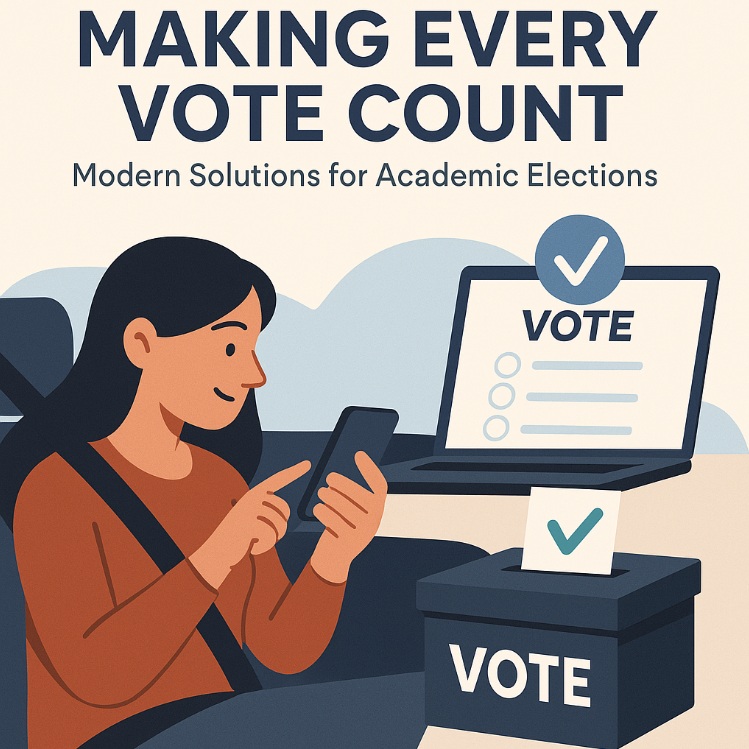
Platforms like OnlineVotingApp.com are designed to bridge this convenience gap without compromising security. When you can authenticate with 2FA, cast a vote in 30 seconds, and have your ballot encrypted on the backend, the entire process becomes more inclusive, not more risky.
One of the most meaningful features is the “1 Voter 1 Device” identity lock, which ensures no vote can be duplicated even if someone attempts fraud from multiple devices. This is crucial in high-stake elections like student councils or corporate AGMs where vote-buying or manipulation is historically more common.
The Real Villain Isn’t Mistrust, It’s Poor Accessibility
Most people trust the outcome of elections; what they don’t trust is the process of getting to the ballot box.
And that’s why the next phase of election reform must be digital.
Not futuristic.
Not experimental.
Just modern enough to match the world we already live in.
Offline voting isn’t dying because digital is trendy. It’s dying because people deserve convenience without losing confidence in the system. And with secure eVoting platforms now becoming mainstream, ignoring this shift might be more dangerous than adopting it.